Tuesday, Mar 17, 2026
• Thomas Johns :
Thomas.Johns@uta.edu
Social work is often associated with counseling or child welfare services, but the profession spans far more roles than many people realize. At the University of Texas at Arlington School of Social Work, faculty emphasize the wide variety of opportunities available to students pursuing careers in the field.
Social workers serve individuals, families and communities in a wide range of settings, including hospitals, schools, nonprofit organizations, government agencies and private practice. The profession focuses on helping people navigate challenges such as mental health concerns, poverty, housing instability, family conflict and substance use while also addressing the larger systems that affect people’s well-being.
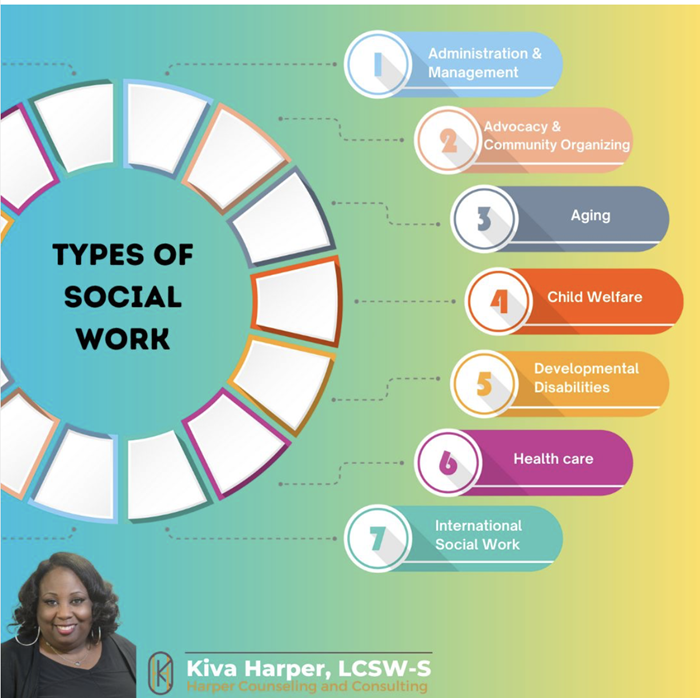
A poster presentation highlighting the various types of social work, based on insights from Kiva Harper, a University of Texas at Arlington School of Social Work professor of practice and owner and clinical director of Harper Counseling and Consulting Services, PLLC.
One of the most common areas of practice is clinical or mental health social work, where professionals provide counseling and therapeutic services to individuals, couples and families. Health care social workers also play a critical role in hospitals and medical settings, helping patients understand treatment options, access resources and cope with illness or recovery.
Social workers are also deeply involved in child and family services. Child welfare social workers work to protect children and strengthen families through prevention services, foster care support and family reunification efforts when possible.
In schools, social workers collaborate with teachers, counselors and parents to support students’ emotional and behavioral well-being. School social workers often help address challenges that can affect academic success, such as bullying, trauma or family instability.
Beyond direct service roles, many social workers focus on community and systems-level work. Community social workers may organize local initiatives, connect residents with resources or advocate for programs that address issues such as food insecurity or housing access. Others work in policy, research and administration, helping shape programs and legislation that affect public welfare.
Social workers are also employed in areas that many people may not immediately associate with the profession. They work in the criminal justice system, support older adults and people with disabilities, provide services through employee assistance programs and participate in international humanitarian efforts.
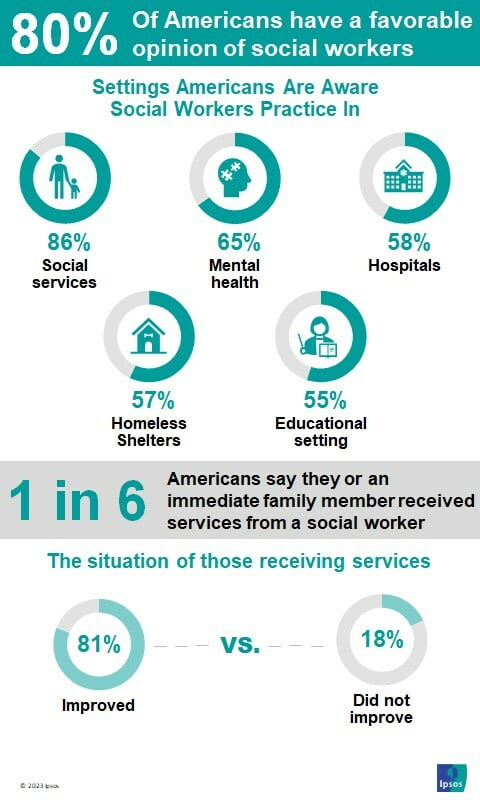
Faculty at the UTA School of Social Work say this variety is one of the profession’s greatest strengths.
A social work degree can prepare graduates for careers in clinical practice, community leadership, research or policy development. Regardless of the setting, the profession shares a common mission of promoting well-being, strengthening communities and advancing social justice.
By preparing students for practice across multiple settings and specialties, the UTA School of Social Work aims to equip future social workers with the skills needed to address complex social challenges and serve varied populations.
For more information about the amazing roles social workers fill, please visit Types of Social Work.